Design, Methods, and Validation
Providing validated analysis tools
The Design, Methods and Validation program supports deployingvv of high-temperature gas-cooled reactors (HTGRs) by providing validated analysis tools, experimental data, and benchmarking activities needed for confident reactor design and regulatory evaluation.
Program activities focus on identifying key physical phenomena, generating high-quality validation data, and applying advanced modeling methods to improve understanding of HTGR behavior under normal operation and accident conditions.
Identify the key phenomena for HTGR deployment
The design and safety assessment of high-temperature gas-cooled reactors (HTGRs) requires reliable computational methods that have been thoroughly verified and validated. Analysis tools must represent reactor behavior across the full range of expected operating and transient conditions.
To support this need, the Design, Methods and Validation program applies a systematic approach using Phenomena Identification and Ranking Tables (PIRTs) to identify and prioritize the physical phenomena most important to HTGR performance. These phenomena guide the development, improvement, and application of simulation methods used to support experiments, optimize reactor designs, and inform regulatory evaluation.
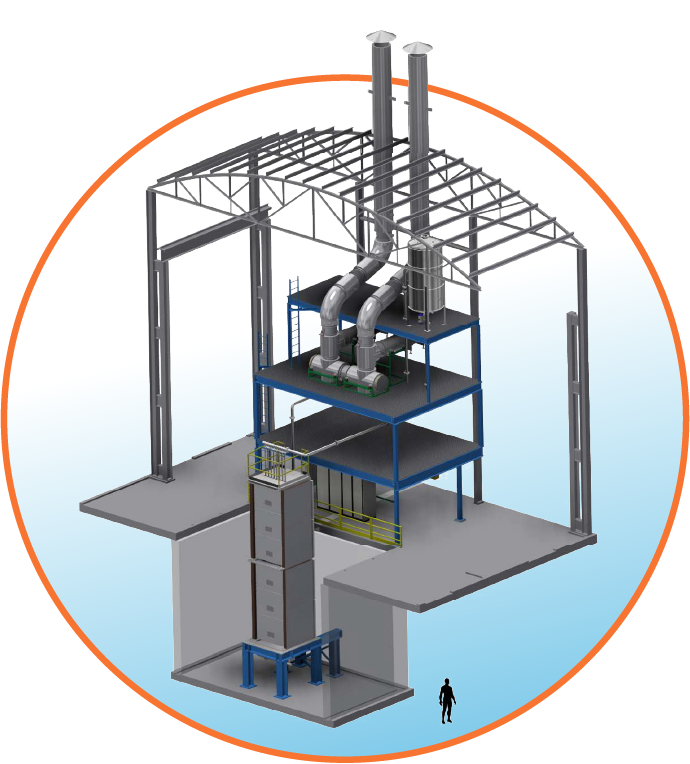
Design, Methods, and Validation areas of focus
Experimental validation
Generate high-quality benchmark data to validate HTGR modeling and simulation tools.
Reactor analysis
Apply verified and validated analysis methods to evaluate HTGR behavior and support licensing-relevant assessments.
International collaborations
Leverage international benchmarking and data-sharing activities to expand validation datasets and reduce duplication.