
High-Temperature Metals
High-Temperature Metals Research and Development
The extreme thermal, mechanical, and environmental conditions of the high-temperature gas-cooled reactor (HTGR) demand reliable material performance to ensure structural integrity of HTGR systems. The High-Temperature Metals Research and Development program addresses these challenges by generating materials performance data, evaluating material degradation, and validating design methods relevant to HTGR components. Activities focus on high-temperature alloy qualification and structural design methodology that support applying of ASME Code requirements and developing licensing-relevant design practices for high-temperature reactor systems.
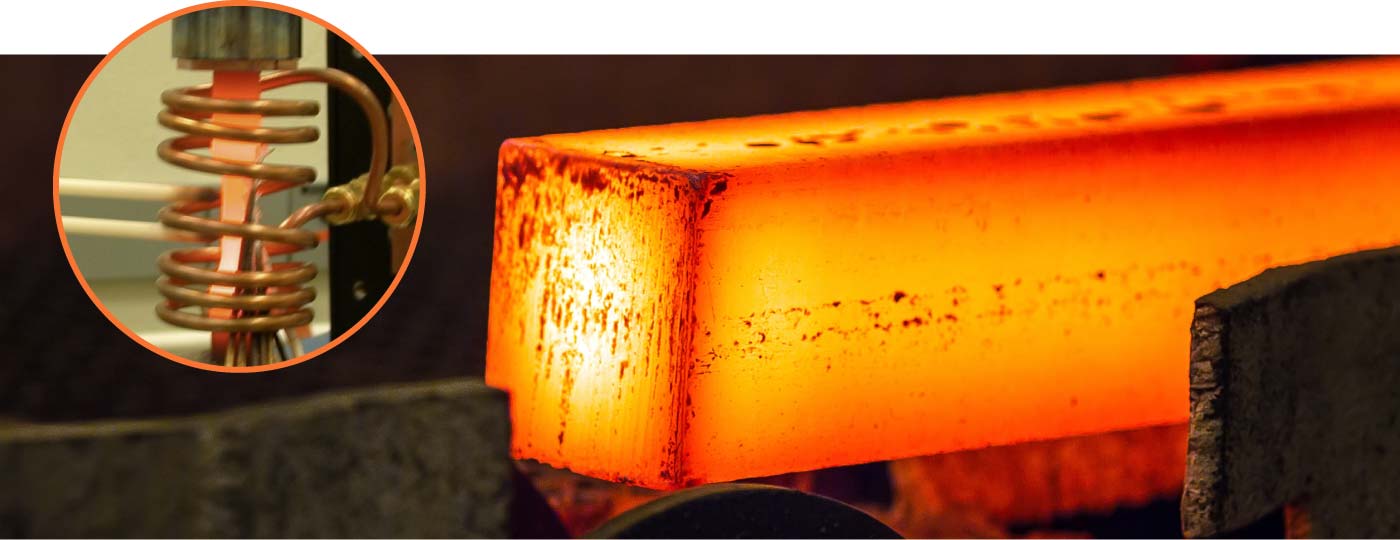
High-temperature metals areas of focus
Alloy qualification
Qualification and performance evaluation of high-temperature alloys to support ASME code application and HTGR licensing
Design methodology
Development and validation of high-temperature structural design methods to support analysis and regulatory review of HTGR components
Development and validation of high-temperature structural design methods to support analysis and regulatory review of HTGR components.
NDMAS External Database
Materials testing and analysis data generated under the High-Temperature Metals Research and Development program are curated and made available through the Nuclear Data Management and Analysis System (NDMAS). NDMAS provides access-controlled tools for visualizing, analyzing and downloading data supporting HTGR materials qualification, design, and licensing activities.

In addition to to the Advanced Reactor Technologies Gas-Cooled Reactor (ART-GCR) activities, NDMAS also supports data generated under related U.S. Department of Energy materials research programs, providing continuity and long-term accessibility for materials data developed across multiple efforts. Broader materials development activities, including work conducted under the Advanced Materials and Manufacturing Technologies (AMMT) program, are coordinated separately to address cross-cutting materials challenges beyond HTGR-specific applications. Information on these complementary efforts is available at the following link.
High-Temperature Materials program objectives
The High-Temperature Metals program supports high-temperature gas-cooled reactor (HTGR) deployment through the following objectives:
- Expanding material property and design ranges permitted under the ASME Code for HTGR applications
- Characterizing of significant in-service degradation mechanisms and developing inspection needs and procedures
- Developing of methods and structural data to address high-temperature materials and design issues identified by regulators, including the Advisory Committee on Reactor Safeguards (ACRS)
- Supporting of selected university research activities that directly benefit HTGR materials development
- Participating in international materials collaboration activities through the DOE-sponsored Generation IV International Forum (GIF) Materials and Components Project Management Board (PMB).